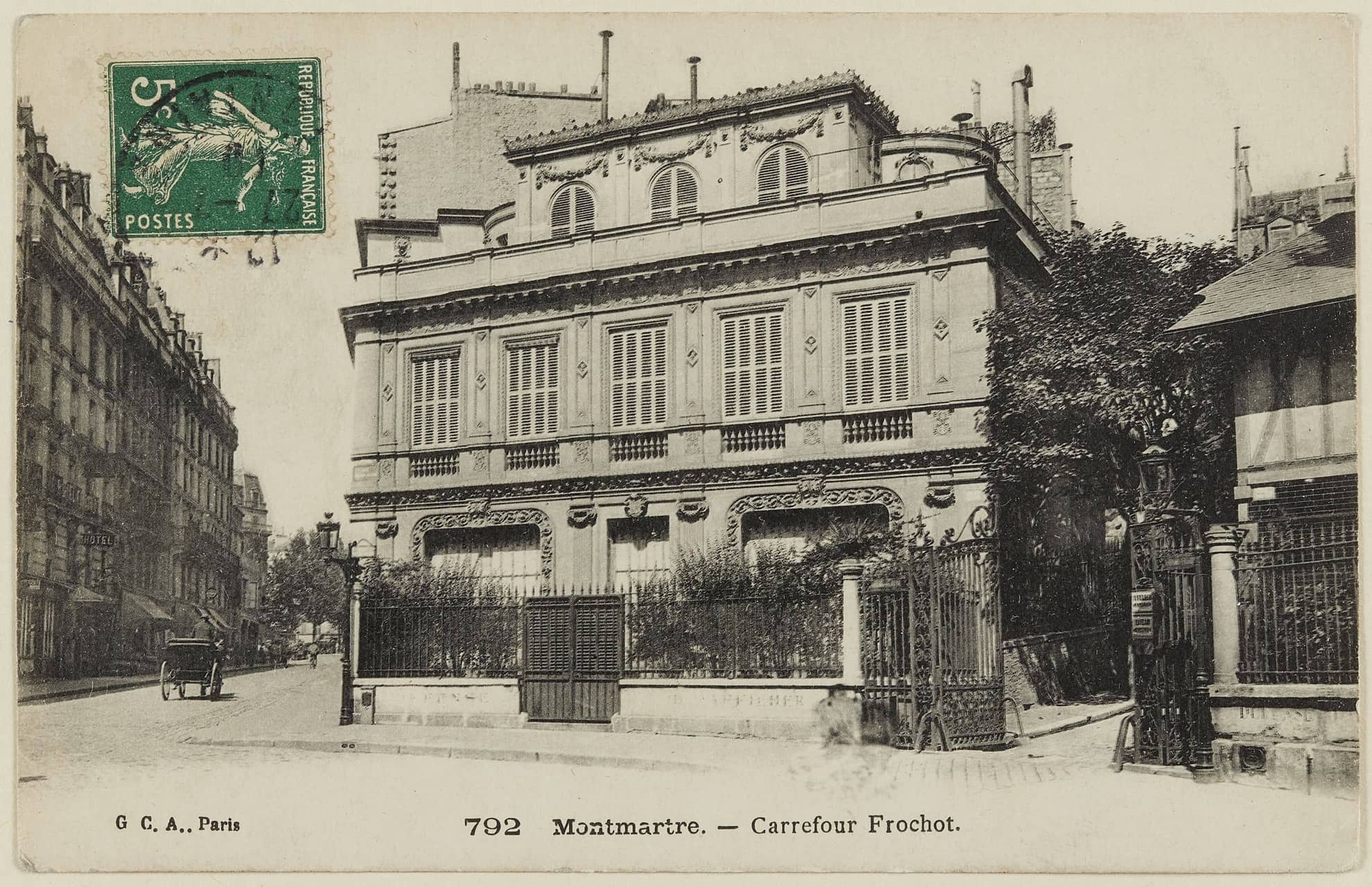
2 rue Frochot, Paris 9th
The history of the place
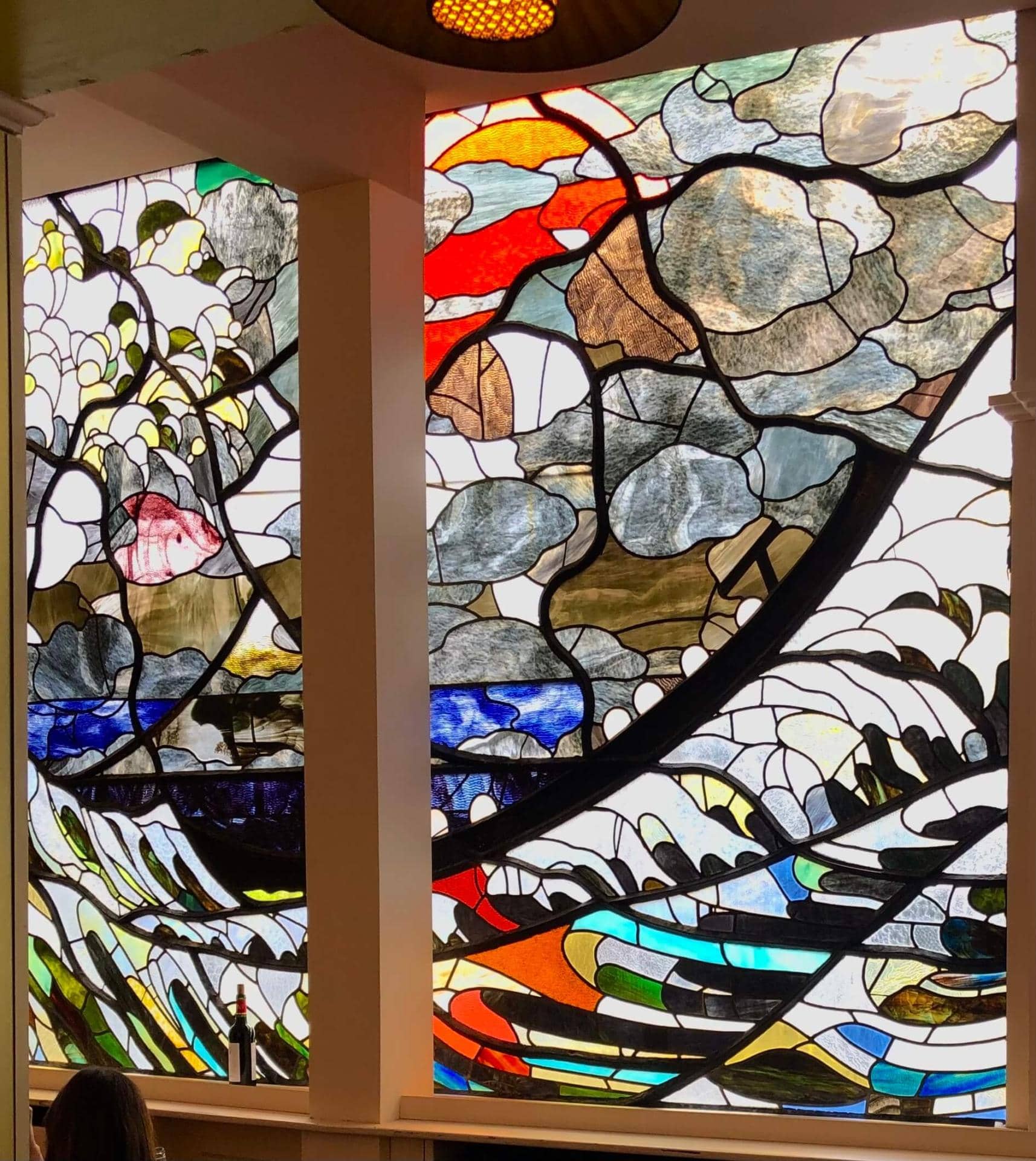
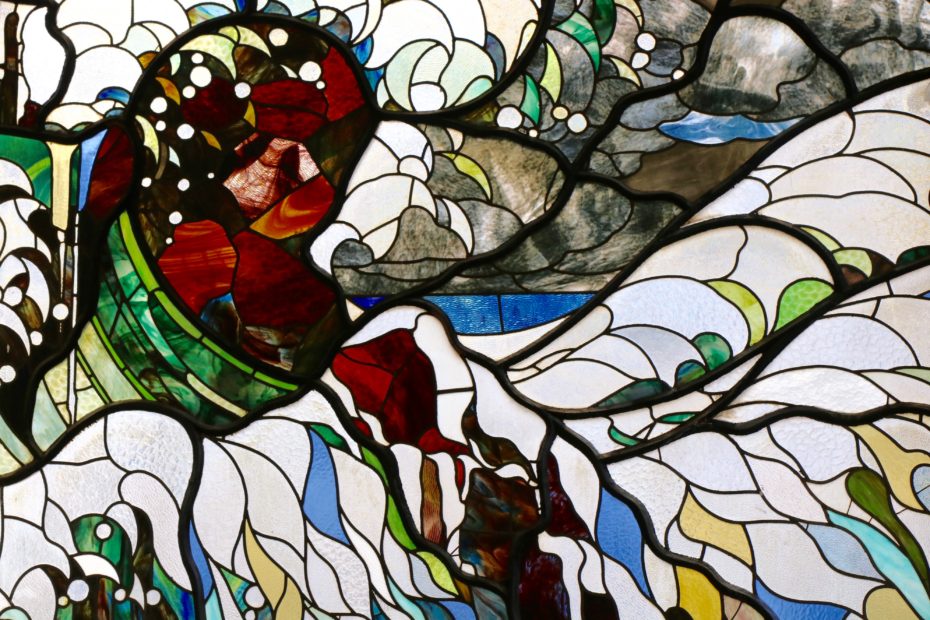
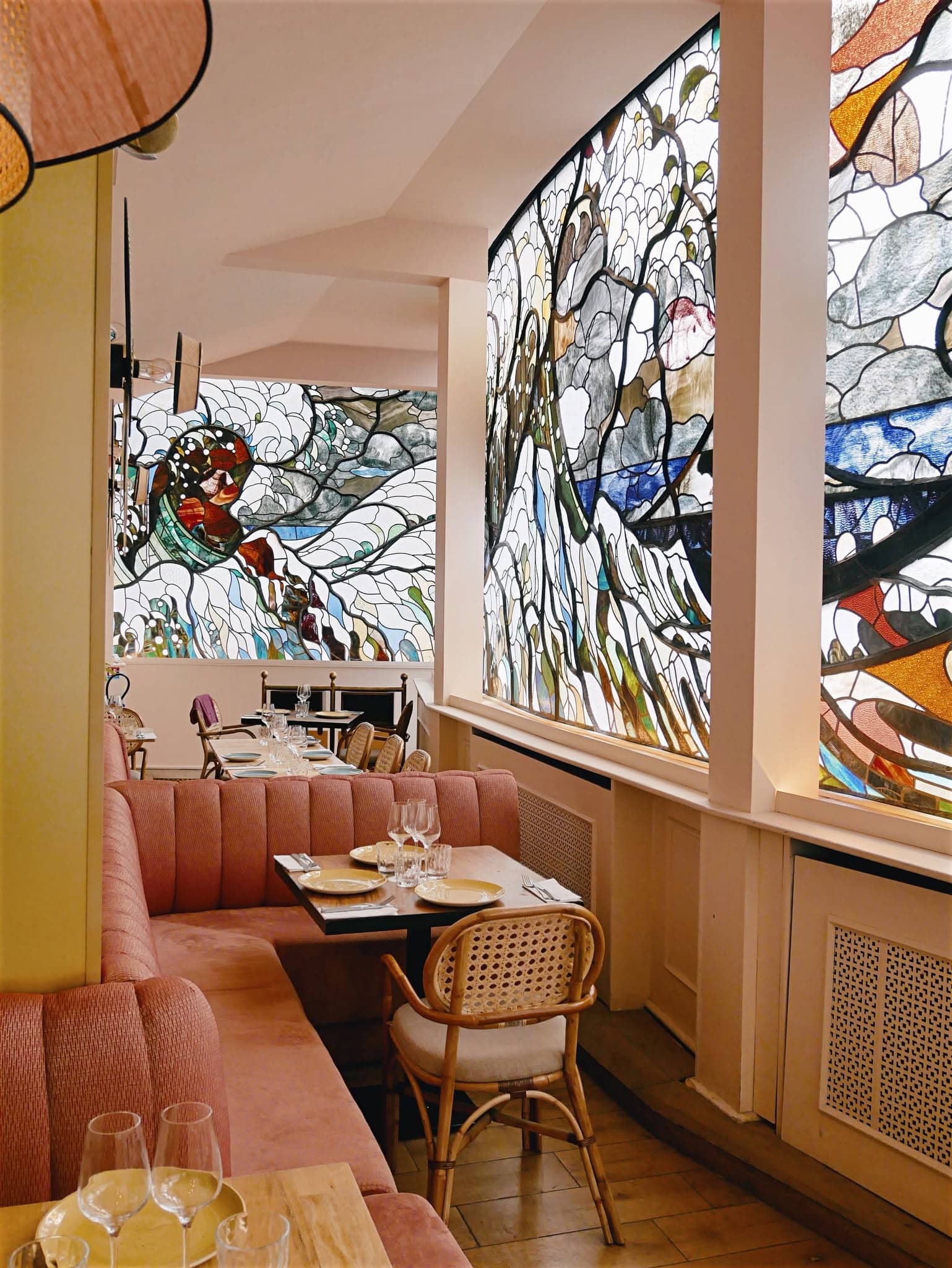
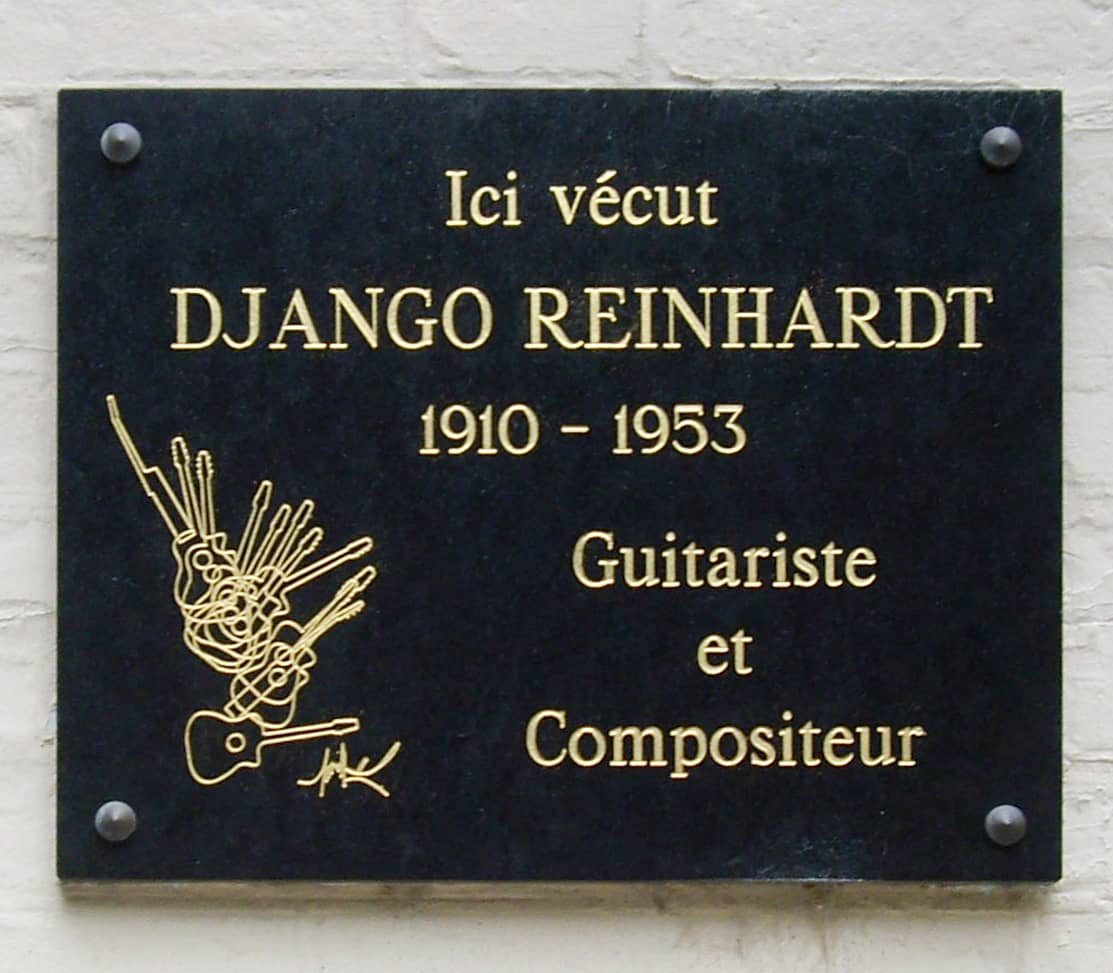
Under the gaze of a great wave inspired by Hokusai, this stained glass window marks the entrance to a unique place in Paris. Behind it stands a mansion built in 1837, nestled at the entrance of the discreet and mysterious avenue Frochot. A neo-Renaissance setting that history has never stopped transforming, without ever taking away its charm or its soul.
Discover the historyThe Shangai, cabaret of the Roaring Twenties
In the interwar period, at the height of Parisian effervescence, this building took on a new face of Sino-Japanese exoticism and elegance: The Shangai. Lanterns, silks, Art Deco: the mix of styles surprises, but seduces.
It was at this time, in 1929, that the famous Asian-inspired stained glass window was installed. It would become the soul of the place.
The masterpiece of Georges Hagnauer
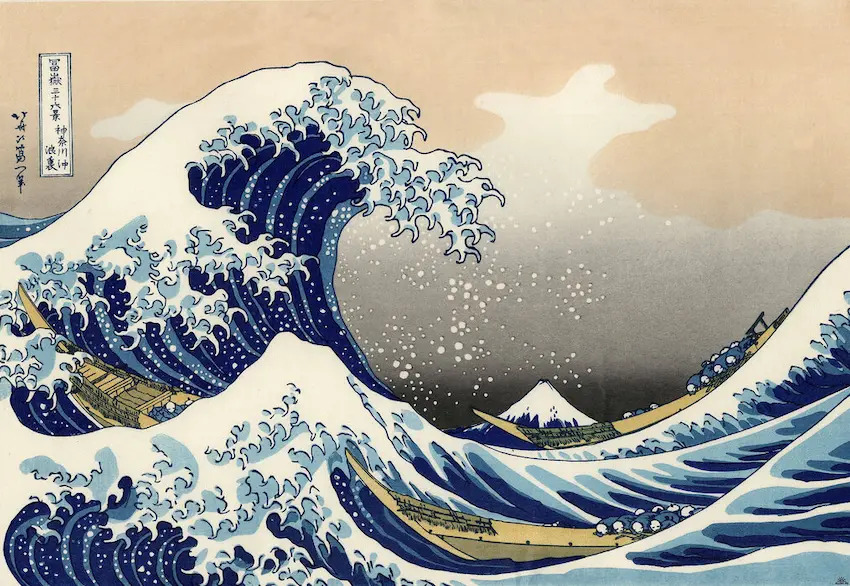
This monumental stained glass window, which still wraps our dining room in its great wave, is the work of Marie-Victor Georges Hagnauer (1884-1967), a Parisian glass painter long forgotten and rediscovered today.
Hagnauer was the heir to a prestigious family mirror workshop founded by his grandfather Isaac around 1865, whose workshops were located rue Cail, in the 10th arrondissement. The house was among the craftsmen who took part in the construction of the Petit Palais in 1900, a token of the excellence of its craftsmanship. As much an artist as a craftsman, Georges Hagnauer exhibited at the Salon des indépendants between 1923 and 1927 and signed his works with a cartouche reading "G. Hagnauer, 17 rue Cail, Paris".
His talent is now enjoying a second life: in 2022, three of his great stained glass windows made for the headquarters of the newspaper Le Petit Parisien went on sale at the Hôtel Drouot and were pre-empted by the Carnavalet museum, the museum of the history of Paris. As for his wave inspired by Hokusai, it has been listed as a historic monument since 2003, along with the facades and roofs of the building. Dining with us means dining at the heart of a listed work of art, in the changing light of thousands of pieces of glass set in lead.
"Here, every meal is a show, every evening a moment out of time."
An avant-garde theatre
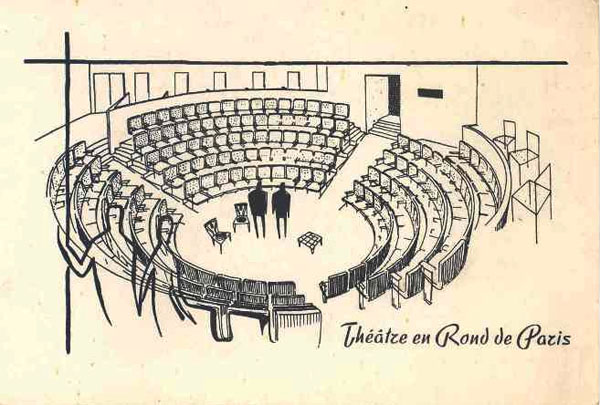
In 1954, the curtain rose on a new life: the cabaret gave way to an experimental theatre, the Théâtre en Rond, imagined by the actress Paquita Claude and the director André Villiers. Its circular stage of 5.30 metres in diameter, surrounded by tiers seating more than 300 spectators, made it an avant-garde theatre where Michel Piccoli, among others, trod the boards. Bold, visionary... but short-lived: the theatre closed in 1966.
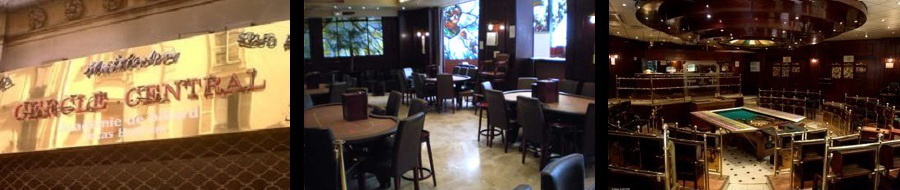
The place then transformed into a gaming club, the Cercle Central, where people came from 1979 to play, bet, and perhaps dream of fortune. It then became an elegant reception hall, renamed Villa Frochot, a name that still resonates in the memories of those who celebrated weddings, private parties and Parisian evenings there.
Two centuries of Parisian history
From the Second Empire to the festive nights of today
-
1837
A neo-Renaissance mansion
Construction of the mansion at the entrance of avenue Frochot, a refuge for artists at the heart of the Nouvelle Athènes.
-
1929
The Shangai and its stained glass window
The Sino-Japanese cabaret of the Roaring Twenties installed the great Hokusai wave, a masterpiece by the glass painter Georges Hagnauer.
-
1954
The Théâtre en Rond
Paquita Claude and André Villiers invented an experimental theatre with a circular stage, where Michel Piccoli notably performed, until 1966.
-
1979
The Cercle Central
The place became a gaming club where people came to play, bet, and perhaps dream of fortune.
-
2003
Historic monuments
The facades, the roofs and the Hokusai wave stained glass window were listed as historic monuments.
-
Today
The Cabaret Baila Restaurant
After extensive renovations, Cabaret Baila reconnects with its festive calling, built around French / South American fusion cuisine, live music and Parisian nights set to Latin rhythms.
Welcome to the Cabaret Baila Restaurant
Today, after major restoration work, history begins again. In this festive restaurant in Paris, the lights come back on, laughter echoes once more, glasses clink beneath the great Hagnauer wave.
A renovated room, a preserved soul
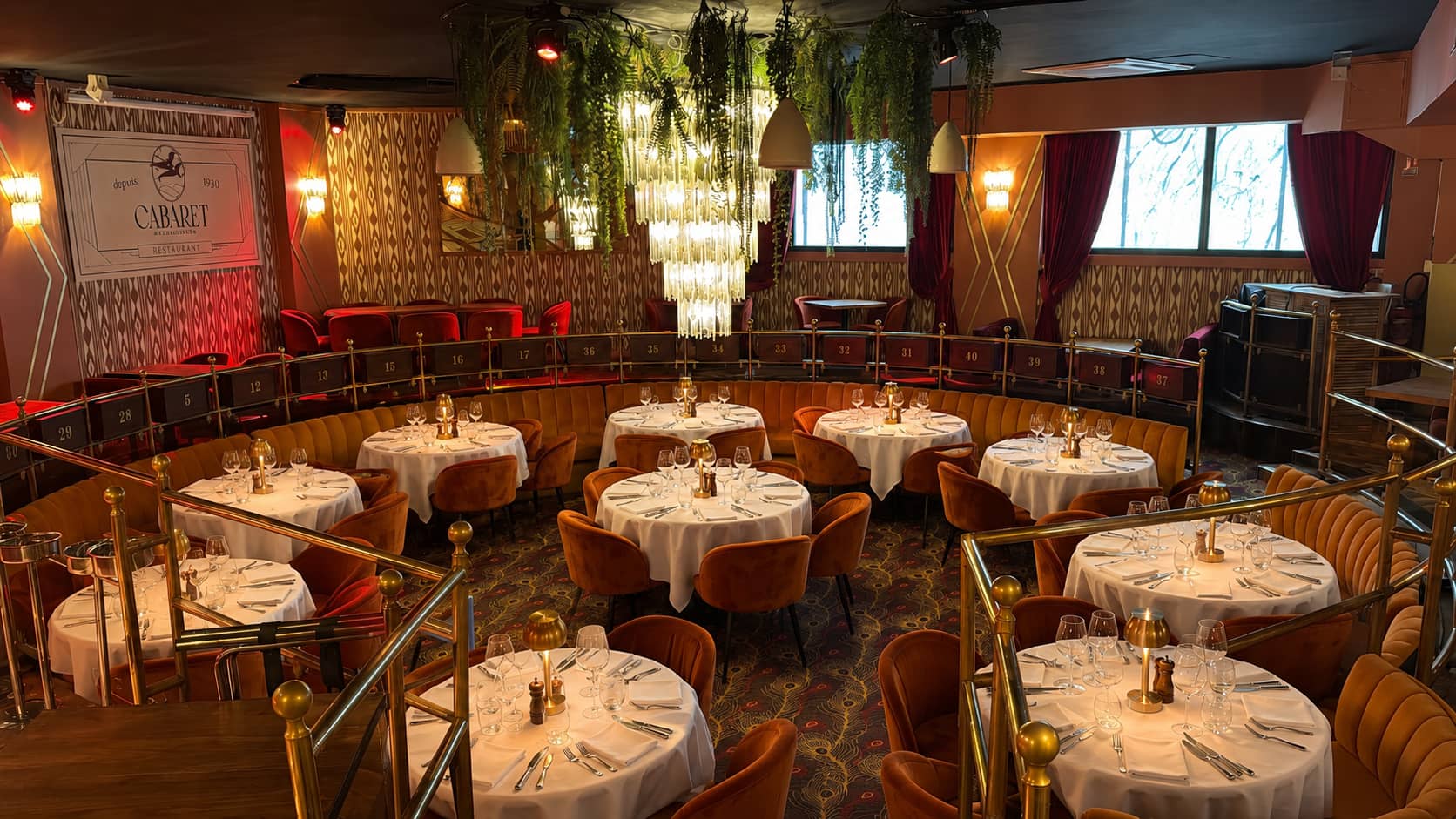
The major restoration work has given the place back all its brilliance: the mouldings and woodwork of the mansion restored, the Hokusai wave stained glass window brought back into full light, and a room redesigned for celebration. Deep banquettes, dimmed lighting, a stage and a dance floor at the heart of the decor: the cabaret spirit of the Roaring Twenties has found its home again, with the comfort of today.
Generous French cuisine with a South American twist
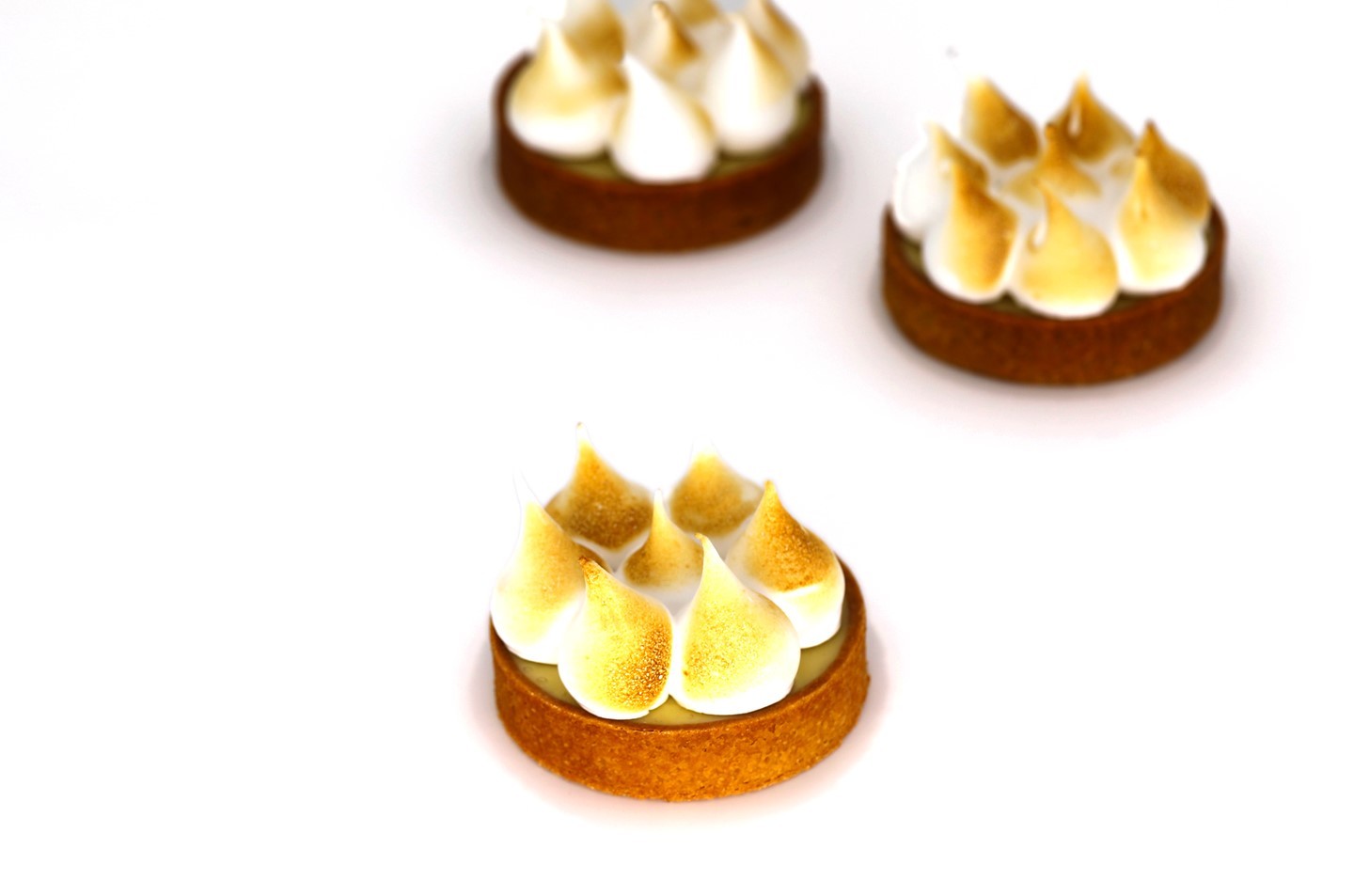
Before being a party, the Cabaret Baila Restaurant is a table. In the kitchen, a French cuisine that does not cheat : seasonal products chosen one by one, prepared in-house, generous starters passed around the table and desserts by a Meilleur Ouvrier de France. At lunch, guests settle in to a peaceful atmosphere, ideal for a meal with friends or a business lunch; in the evening, the room comes alive, Latin rhythms take over, and dinner gradually turns into a truly festive experience.
Discover the menu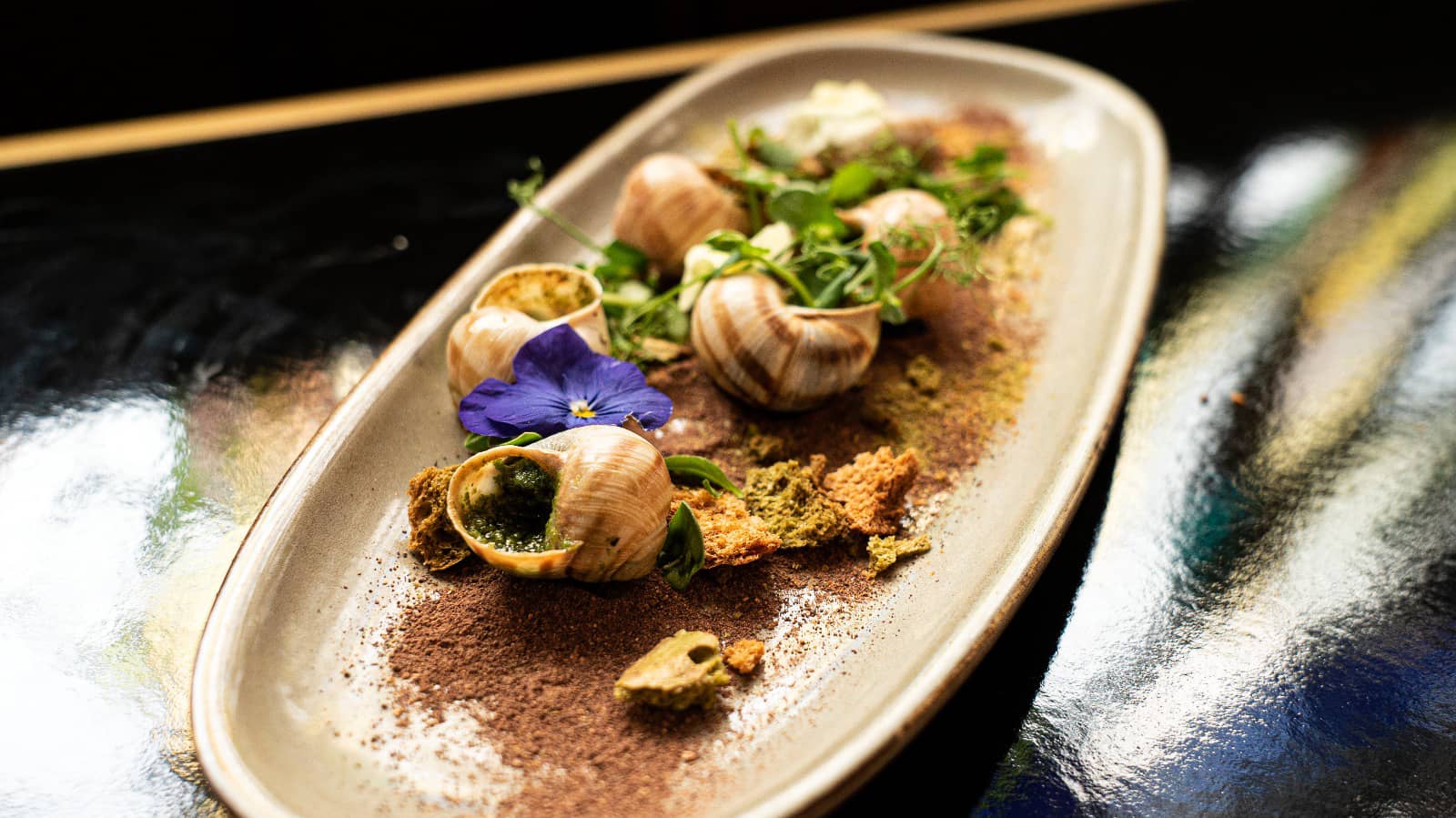
Music and celebration united
Around the table, the evening rises to the rhythm of live music live, moving between great French classics and Latin music, along with DJ sets, just as in the days of the Shanghai. Sets blending Samba, Latin house, Electro Brazilian hits, Reggaeton and more. Singers, a vibrant atmosphere and a dance floor that fills up as the night goes on: nobody watches the clock. Birthdays, evenings with friends or private events : the place returns to its original vocation, celebrating the Parisian way.
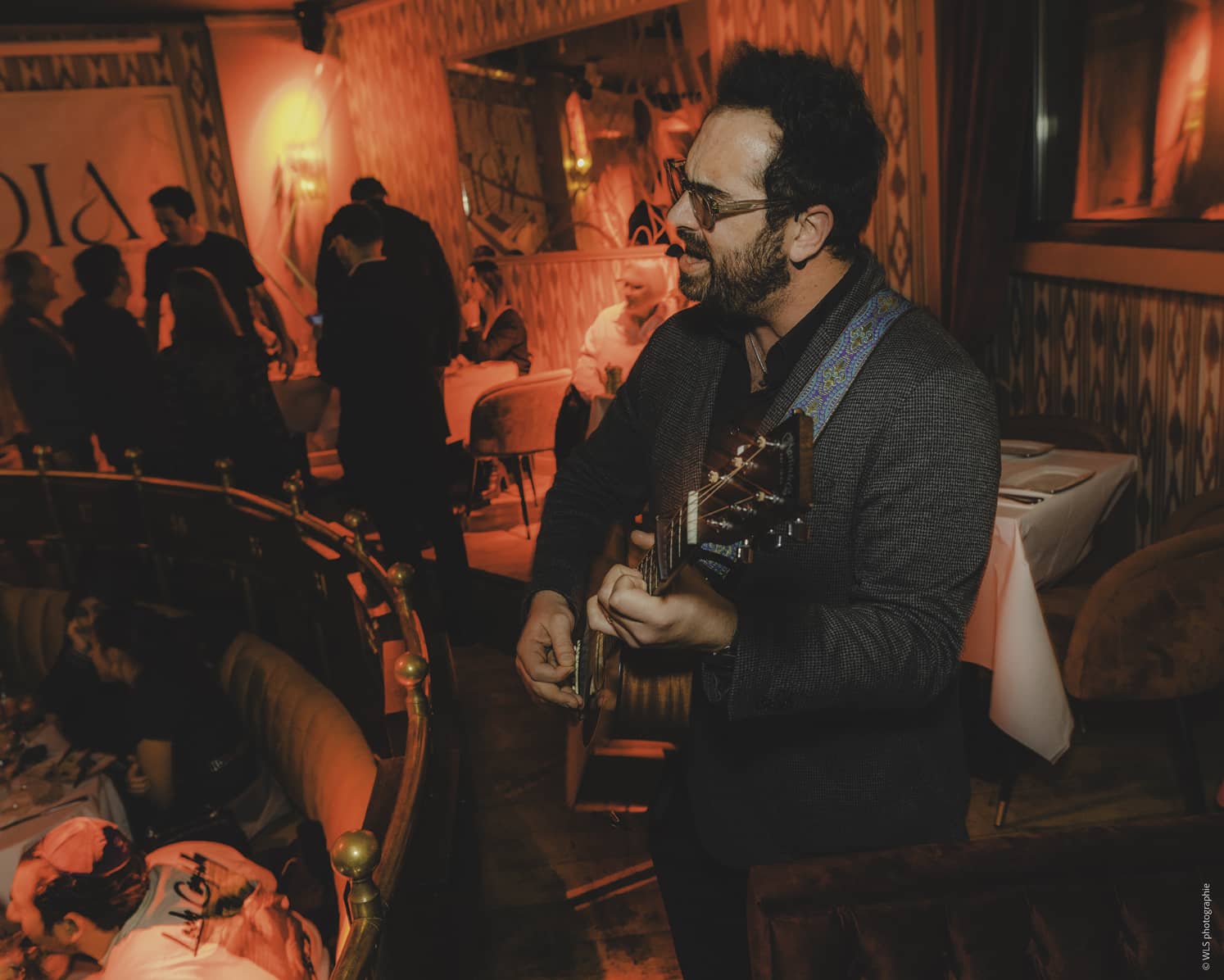
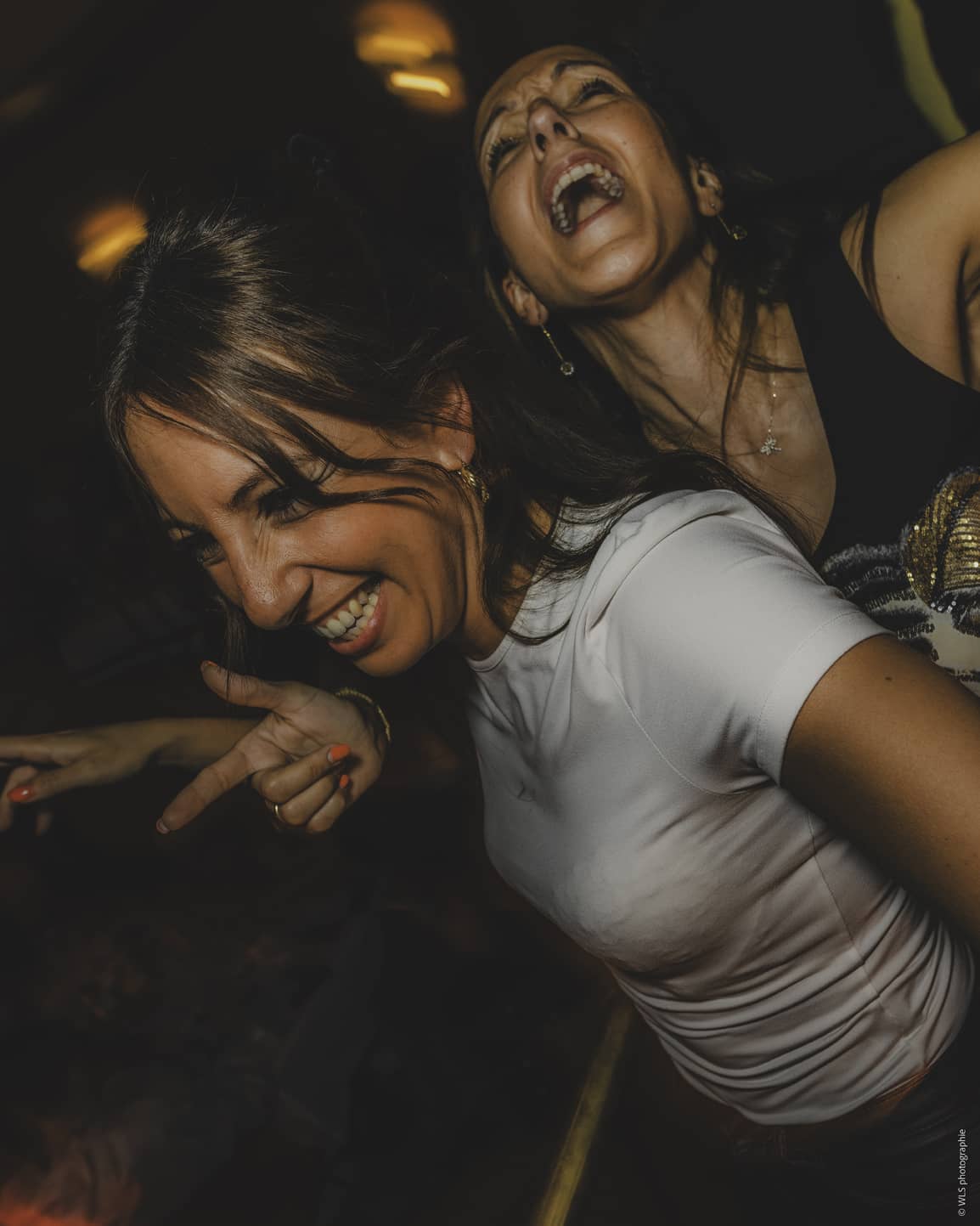
Here, every meal is a show, every evening a moment out of time. Sit down, enjoy... and let yourself be carried away.
The story now continues with you.
Book a tableAn avenue of legends
A stone's throw from Pigalle, behind discreet gates, the rue and avenue Frochot were long a refuge for artists. Victor Hugo settled there on his return from exile in 1870, at the home of his friend Paul Meurice. Alexandre Dumas moved there in 1850. Toulouse-Lautrec opened his last studio there in 1898, next to those of Gustave Moreau and Théodore Chassériau. The sons of Auguste Renoir, Pierre and Jean, settled there in 1937, and François Truffaut would later shoot a scene of The 400 Blows there. It is even whispered that the house at number 1 is haunted, a legend said to have earned the avenue its famous gate.
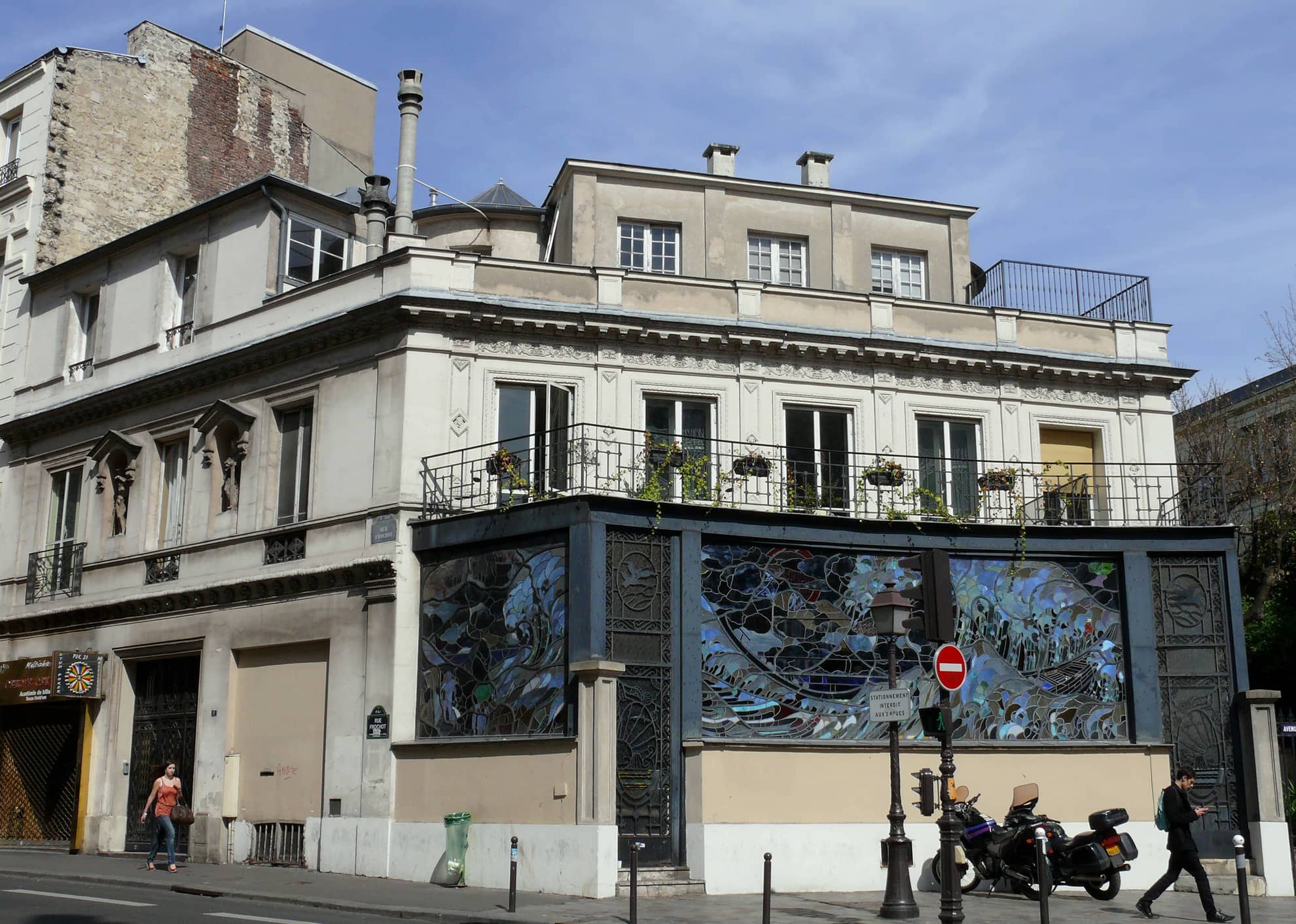
Django Reinhardt, legendary neighbour
It is here, at 6 avenue Frochot, a few metres from our door, that the brilliant guitarist Django Reinhardt lived. In the 1940s, Django chose this singular address to get away from the Parisian tumult while remaining at the heart of the nightlife. By day, he withdrew to this peaceful enclave; by night, his melodies drifted towards Pigalle. It is said that he sometimes played with the windows open, and that passers-by stopped, fascinated by these free notes, as if suspended in the air.
It is here that he shaped his unique sound, blending American swing, gypsy soul and Parisian poetry. A plaque on the facade recalls his presence. He lived there until 1951, before moving to Samois-sur-Seine.
The place where you are standing is charged with this musical memory. By pushing open the door, you enter a live music restaurant, at the heart of a neighbourhood that heard legendary improvisations come to life. Here, time seems to slow down... and the history of jazz keeps on vibrating.
Dine at the heart of a work of art
Book your table
The best way to discover the Hokusai wave stained glass window and the soul of this place steeped in history? Book a table at the Cabaret Baila Restaurant and experience a festive evening beneath a work of art listed as a historic monument.
Book nowThe history of the place: your questions answered
Two centuries of history at 2 rue Frochot, summed up in a few answers
The mansion that houses the Cabaret Baila Restaurant was built in 1837, at the entrance of avenue Frochot, in the 9th arrondissement of Paris. Its neo-Renaissance decor has come through nearly two centuries of transformations without losing its charm, and its facades and roofs are now listed as historic monuments.
The Shangai was a Sino-Japanese inspired cabaret located at 2 rue Frochot in the interwar period, at the height of the Roaring Twenties. Lanterns, silks and Art Deco made up its exotic decor. It was for the Shangai that the great Hokusai wave stained glass window, which still adorns the dining room of the Cabaret Baila Restaurant, was installed in 1929.
Marie-Victor Georges Hagnauer (1884-1967) was a Parisian glass painter, heir to a family mirror workshop founded around 1865 rue Cail by his grandfather Isaac, which took part in the construction of the Petit Palais in 1900. He exhibited at the Salon des indépendants between 1923 and 1927. In 2022, three of his stained glass windows made for the newspaper Le Petit Parisien were pre-empted by the Carnavalet museum, the museum of the history of Paris.
The monumental stained glass window represents a great wave inspired by Hokusai's The Great Wave off Kanagawa, made up of thousands of pieces of glass set in lead. Installed in 1929 in the days of the Shangai cabaret, it wraps around the entire dining room of the restaurant and has been listed as a historic monument since 2003.
From 1954 to 1966, the place housed the Théâtre en Rond, an experimental theatre imagined by the actress Paquita Claude and the director André Villiers. Its circular stage of 5.30 metres in diameter, surrounded by tiers seating more than 300 spectators, made it a unique avant-garde venue in Paris, where Michel Piccoli notably performed.
After the theatre closed in 1966, the place became a gaming club, the Cercle Central, frequented from 1979. It then turned into a reception hall under the name Villa Frochot, where weddings and private parties were celebrated, before major restoration work gave it back its festive vocation with the Cabaret Baila Restaurant.
Avenue Frochot was a true refuge for artists: Alexandre Dumas moved there in 1850, Victor Hugo settled there on his return from exile in 1870 at the home of his friend Paul Meurice, Toulouse-Lautrec opened his last studio there in 1898 near those of Gustave Moreau and Théodore Chassériau, and the sons of Auguste Renoir, Pierre and Jean, settled there in 1937. François Truffaut also shot a scene of The 400 Blows there. Django Reinhardt, for his part, lived at number 6 until 1951.
According to legend, the house at number 1 avenue Frochot is haunted. It is this rumour that is said to have earned the avenue its famous gate, which still makes it a closed private avenue today. The Cabaret Baila Restaurant is located right at its entrance, at 2 rue Frochot.
The Cabaret Baila Restaurant, at 2 rue Frochot in Pigalle, is one of the Parisian addresses where dining and partying are one and the same. The evening starts around a generous French cuisine and rises to the rhythm of live music and DJ sets, in the decor of a mansion listed as a historic monument. Here, nobody watches the clock: the party goes on until the end of the night, as in the days of the cabarets of the Roaring Twenties.
The Cabaret Baila Restaurant offers homemade French cuisine, made from seasonal products chosen one by one: generous starters to share, carefully prepared dishes and desserts by a Meilleur Ouvrier de France. The restaurant is open at lunchtime, in a peaceful atmosphere, and in the evening, when dinner takes on the air of a party. An address where people come as much for the food as for the historic setting.
Few Parisian tables offer such a setting: the Cabaret Baila Restaurant is housed in an 1837 mansion, beneath a monumental stained glass window listed as a historic monument, in a place that was in turn a cabaret of the Roaring Twenties, an avant-garde theatre and a gaming club. Dining here means dining at the heart of a work of art, at the entrance of avenue Frochot where Django Reinhardt lived.
The Cabaret Baila Restaurant is not a revue cabaret: no feathers or sequins, but the cabaret spirit at its liveliest. Live singers, DJ sets and a festive atmosphere accompany dinner, in the tradition of the Shangai that occupied the premises in the interwar period. A festive restaurant where the show is the evening itself.